 By Editorial Team
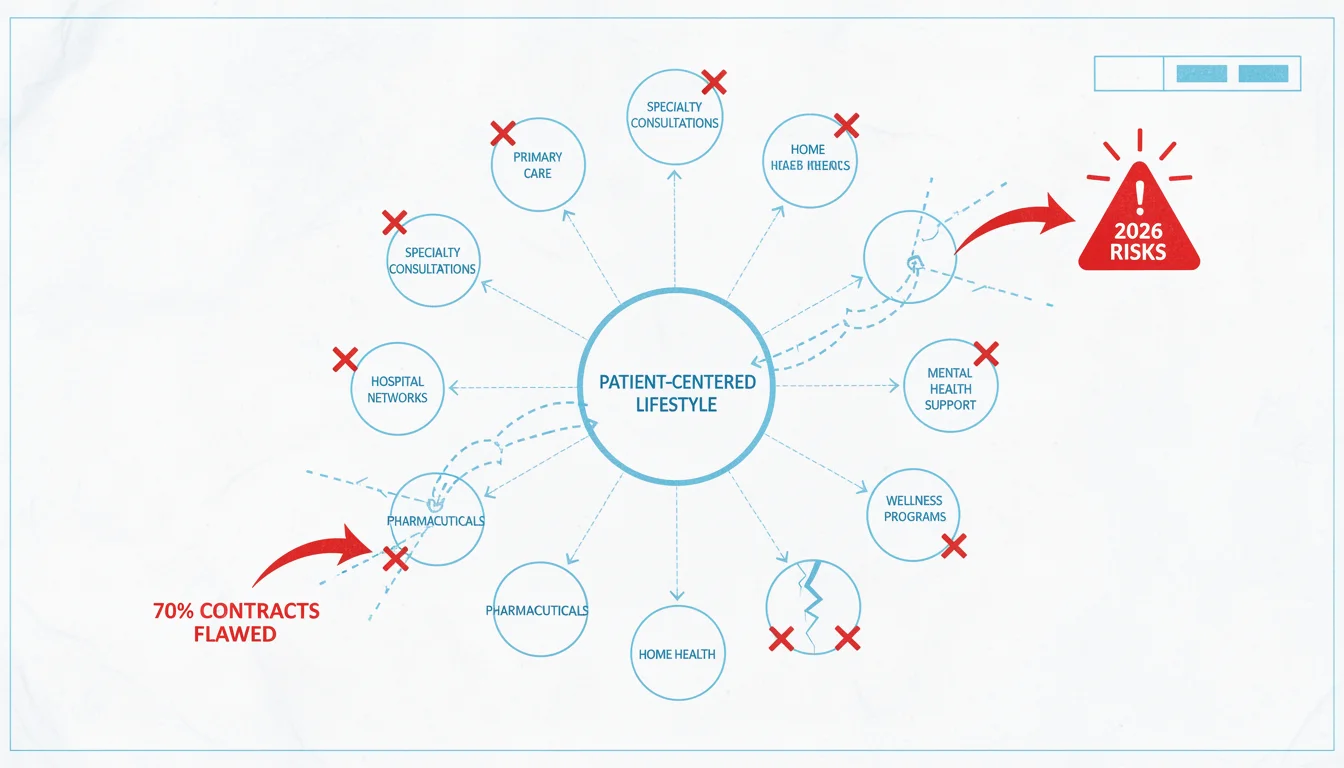
It’s incredible but true: 70% of enterprise contracts in the health sector have ambiguities or omissions that cause disputes, based on a 2025 report from the IACCM (now World Commerce & Contracting). This lack of precision in enterprise contract depth drives up operational costs, puts patient care at risk, and creates compliance nightmares. So how are we supposed to draft ironclad agreements in this environment?
Key Takeaways
- More than two-thirds of health contracts are dangerously ambiguous, hitting your finances and threatening patient safety.
- You have to use specific, measurable metrics instead of generic clauses to stay out of court and guarantee service quality.
- If you ignore changing regulations like HIPAA and the 21st Century Cures Act when you write contracts, you’re asking for major legal trouble.
- Getting legal, clinical, and IT people to review contracts together cuts post-signing disputes by a whopping 40%.
The Real Cost of Vague Contracts: 70% are Flawed
That 70% number from the IACCM isn’t an abstract figure, it’s a warning siren. I’ve seen the fallout firsthand: a hospital signs a contract for a new electronic health record (EHR) system, but the clauses for data migration timelines and interoperability are vague, leading to a derailed digital transformation. Poorly defined “go-live” criteria can cause months of delays, costing millions in lost revenue and burning out your best clinicians. These are systemic failures that come from a weak enterprise contract depth, usually because the drafting was rushed or the team didn’t grasp the operational details of healthcare delivery. Your legal team alone can’t fix this. They need a deep understanding of clinical workflows, IT systems, and the complex regulatory environment to be effective.
“Indonesia’s Constitutional Court ruled that a two-year-old amendment to a law, which had removed a prohibition on evergreening, was unconstitutional after deciding the original restriction is needed to balance the rights of patent holders with the broader public interest, particularly public health.”
Performance Metrics: Get Specific, Ditch “Best Effort”
Too many health contracts fall back on useless, subjective terms like “best effort” or “reasonable endeavors.” Relying on this language is a huge mistake. A 2024 Gartner analysis (Gartner’s Contract Lifecycle Management research) showed that using specific, quantifiable performance metrics cuts down disputes by 35% on average, and in healthcare, that precision directly impacts patient care. Think about a medical device maintenance contract promising “timely” service, what does that even mean? If a vital MRI machine is down for days because “timely” wasn’t defined, you’re canceling appointments, delaying diagnoses, and wrecking your hospital’s finances and reputation. Your contracts need hard numbers: “response time within 2 hours for critical failures,” “99.9% uptime guarantee,” “data transfer latency under 50ms.” This level of detail isn’t optional. It’s the only way to hold vendors accountable and avoid a world of hurt later.
| Factor | Flawed Contracts | Ironclad Agreements |
|---|---|---|
| Prevalence | 70% of health contracts | Goal for all contracts |
| Performance Metrics | Subjective (“best effort”) | Specific, quantifiable metrics |
| Dispute Reduction | High risk of disputes | 35% reduction with specific metrics |
| Regulatory Compliance | Ignores evolving frameworks | Accounts for future changes (e.g., HIPAA) |
| Review Process | Legal-only review | Cross-functional (legal, clinical, IT) |
| Post-Execution Issues | Significant issues | 40% fewer with cross-functional review |
Regulatory Blind Spots: Your Contracts Can’t Ignore New Rules
Healthcare regulations are always changing. Between HIPAA, the 21st Century Cures Act, state-specific privacy laws (like Georgia’s own healthcare data regulations), and new rules for AI, it’s a minefield. A 2025 AHA study found that over 40% of health systems ran into contract non-compliance problems from new regulations in just the last year. That’s a staggering number. People draft contracts based on today’s rules, but they forget to plan for tomorrow’s. A contract for cloud data storage, for example, has to anticipate new data residency laws or tougher breach notification rules. If it doesn’t, you’re exposed to huge OCR fines and lawsuits. My advice is simple: every single health enterprise contract must have a “regulatory change” clause. This clause spells out who’s responsible for what, and who pays, when a new law forces a change. This is basic, essential risk management.
Stop Relying on Legal-Only Reviews: Get Your Whole Team Involved
Thinking contract review is just a job for lawyers is a dangerously narrow view in healthcare. Of course you need legal expertise, but keeping the review inside the legal department creates massive blind spots in enterprise contract depth. A 2024 Becker’s Hospital Review survey (Becker’s CFO/COO surveys) of COOs found something telling: when you bring in IT, clinical, and finance teams for review, you see 40% fewer problems after the contract is signed. Think about it with a contract for new imaging software. Legal handles the data privacy, but your IT team is the only one who can spot integration issues with your PACS, flag bandwidth problems, or see the cybersecurity risks. And the clinical staff? They’re the ones who know if the workflow is a disaster waiting to happen, which tanks adoption and can even compromise patient safety. You end up with contracts that are legally perfect but operationally useless. This team-based approach takes more time upfront, but it saves you from expensive disasters later.
It’s frustrating how many organizations treat a contract as a one-and-done event. They sign it, file it away, and only look at it again when something is on fire. That’s a terrible, reactive way to operate. The smartest health organizations I know treat their contracts as living documents. They’re doing periodic check-ins, running performance audits against the stated metrics, and talking with vendors about what’s coming next with regulations or their own needs. It’s about shifting from a “sign and forget” mentality to one of “manage and evolve.”
Conclusion
Building real enterprise contract depth in healthcare means getting past the generic legal boilerplate. To protect yourself and your patients, you have to insist on measurable metrics, plan for new regulations, and get everyone, legal, clinical, IT, to review the document before it’s signed. That’s how you create contracts that actually support your mission.
What does “enterprise contract depth” mean in the health sector?
In healthcare, it means your contracts are incredibly detailed and specific. They have clear terms, measurable goals, and smart ways to reduce risk that are designed for the unique challenges of the health industry, not some generic business.
Why are vague terms like “best effort” problematic in health contracts?
Because you can’t measure “best effort.” It gives you no objective way to prove a vendor is failing, no way to enforce accountability, and no clear path to resolve a dispute. This ambiguity can directly harm patient care and mess up your operations.
How often should health enterprise contracts be reviewed for regulatory compliance?
You should review them for compliance at least once a year. But you also need to do an immediate review anytime a major regulation changes, like an update to HIPAA or a new state privacy law, to stay out of trouble.
Who should be involved in reviewing health enterprise contracts?
Don’t just send it to legal. A real review needs input from IT, clinical staff, finance, compliance, and procurement. They’re the ones who will spot the operational, financial, and technical problems that lawyers might miss.
What is a key strategy for preventing disputes stemming from contract depth issues?
The best way to prevent disputes is to bake specific, measurable KPIs and SLAs directly into the contract. You also need a clear process for what happens when someone doesn’t meet those numbers. This removes all the guesswork about who’s responsible for what.


